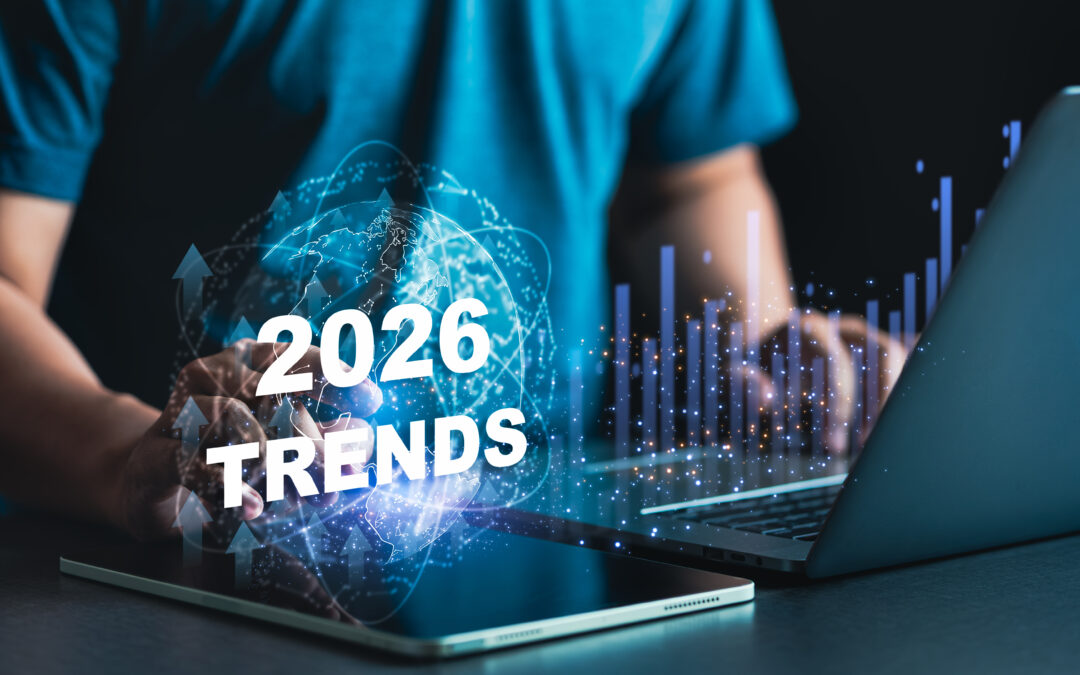
Cybersecurity is more important in 2026 than it’s ever been before. AI is boosting productivity for many businesses, but it’s also opened up new security vulnerabilities and unleashed a torrent of hacks and scams. At the same time, a wave of cybersecurity laws, regulations, and enforcement actions have magnified the consequences of failure.
As the stakes get higher, the rules are changing faster every day. Powerful new tools are coming out for both security experts and hackers, resulting in a technical arms race with no end in sight. While regulations will eventually stabilize the playing field, right now they’re unstable and uneven, leading to even more uncertainty and confusion.
The pace and magnitude of changes going on in cybersecurity right now are overwhelming. It’s nearly impossible for people outside the field to truly keep up, but there are a few basic trends to watch.
Here’s what business leaders need to know about cybersecurity in 2026:
1. AI is Causing a Cybersecurity Arms Race
Cybersecurity has become a game of AI vs. AI, with businesses caught in the middle. Both sides have access to AI tools that they’ll continue to refine as the year rolls on.

AI Cybersecurity Tools are Stronger Than Ever
The good news is that AI has resulted in better cybersecurity tools than ever before. They can detect malicious behavior patterns, respond instantly to threats, and thwart attacks that happen too quickly for humans to address. Some even have advanced predictive algorithms that can anticipate hackers’ next moves and recommend early countermeasures.
AI Supercharges Hackers and Fraudsters
Unfortunately, AI tools aren’t just for the good guys. AI hacking and scamming tools are becoming more widespread by the day.
Here are just a few of the schemes they’ve cooked up already:
- Mass-produced phishing attempts via texts, emails, and phone calls.
- Live deepfakes that let hackers convincingly pose as anyone, even over phone or video.
- Ransomware-as-a-Service (RaaS) tools licensed by top-tier hackers to anyone willing to pay, just like a legitimate SaaS company.
- Prompt injection phishing, where hackers seed public AI assistants with malicious code.
- “Browser-in-the-browser” attacks, fake login popups for real sites that look completely identical to the real thing.
Hackers are nothing if not creative, so expect to see more of these as the year rolls on.
2. Other AI Tools Have Vulnerabilities
General-purpose AI tools that weren’t built with security in mind (which is most of them) often have serious vulnerabilities. IBM found that only 24% of generative AI projects have basic security protocols. Without those protocols, LLMs like ChatGPT tend to share sensitive information they receive with pretty much anyone.
And those are just the unforced errors. Hackers have been finding increasingly sophisticated ways to manipulate the behavior of unsecured AI models, tricking them into sharing private information, deleting data, or executing malicious code.
3. AI Usage is Unavoidable
Like it or not, you‘re already using AI.

You can’t control whether or not your employees use AI…but you can influence their choices.
- Write a clear AI usage policy and educate your staff what is and isn’t permitted, and why. Include examples.
- Make the reasoning for your decisions clear. When staff members understand why a policy matters, they’ll follow it willingly instead of looking for ways to skirt it.
- Listen to feedback and invite questions.
- Offer a cybersecurity awareness training program to help staff understand how to use AI safely.
4. Everyone Is a Target of Hackers
And it’s only going to get worse.
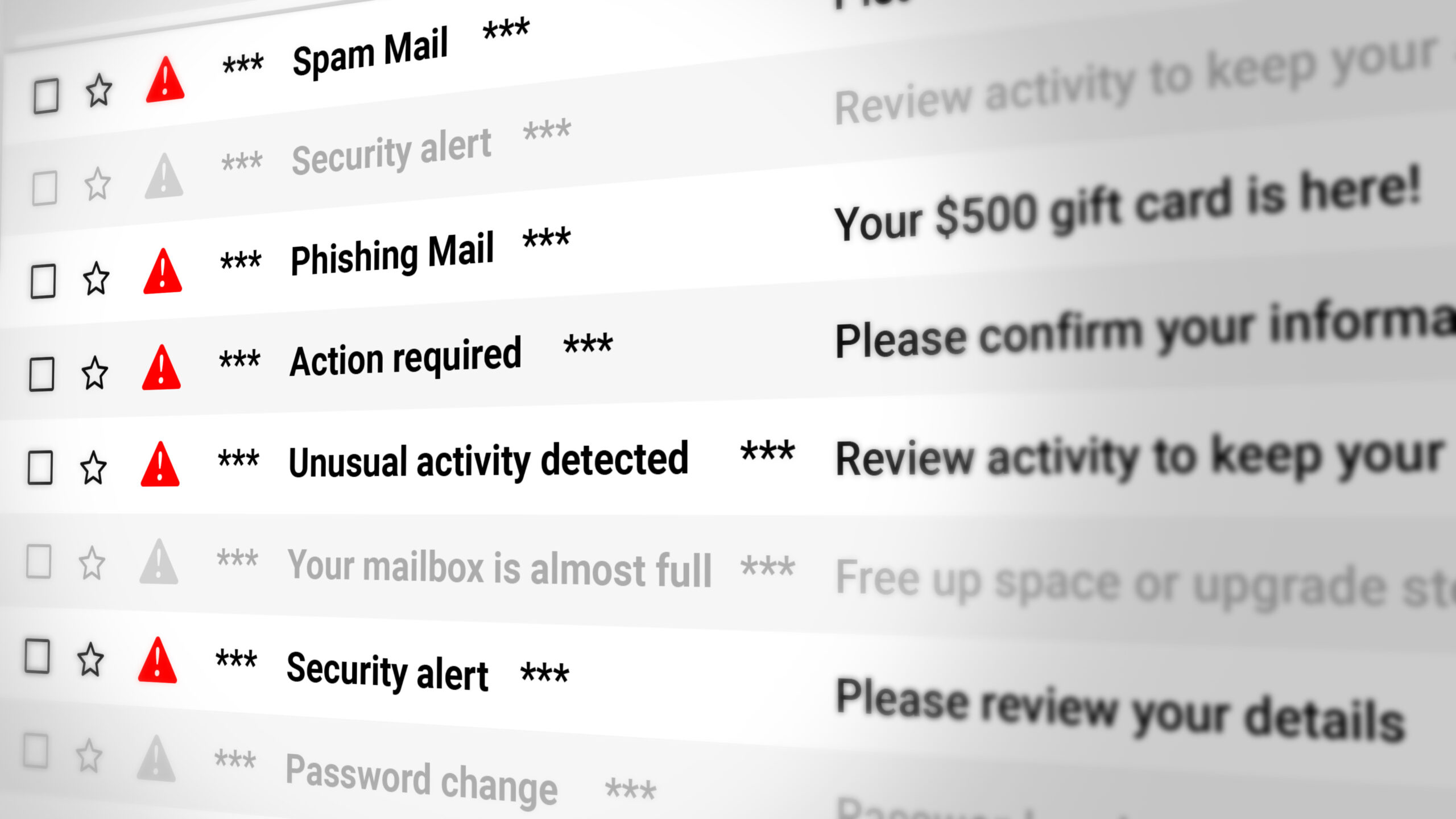
Ordinary households and small businesses that used to be relatively safe from cyberattacks can no longer afford to ignore them. In fact, small companies and ground-level employees have become the primary targets of many scammers because they often lack the resources and knowledge to defend themselves.
Paradoxically, the rise of AI fraud has dragged low-tech cyber defenses into the limelight. With hackers throwing mass-produced deception campaigns at everyday staffers, sharp-eyed employees who know what to look out for are the best defense you can get.
That’s why the best way to protect your business from cyberattacks in 2026 is by investing in a good cybersecurity awareness training program.
5. Cybersecurity Is Now a Matter of Legal Compliance
Until recently, the U.S. had surprisingly few rules about cybersecurity. That’s been changing over the last few years.
Regulators have been ramping up operations at both the state and federal levels. The FTC and SEC in particular are enforcing their privacy and cybersecurity rules far more strictly. So far, the penalties they’ve announced have been focused on privacy and event disclosure.
State legislatures are getting in on the action as well. A total of 11 states have finalized omnibus cybersecurity rules, and they’re slowly stepping up implementation and enforcement. However, they don’t always talk to each other, which has led to a confusing patchwork of rules from region to region.
Here are just a few of the new rules popping up:
- The FTC’s amendments to the federal Children’s Online Privacy Protection Act (COPPA), which take effect April 22nd.
- The Minnesota Consumer Data Privacy Act (which exempts small businesses) and the Maryland Online Data Privacy Act (which targets data brokers in particular).
- Heightened enforcement of existing laws and regulations by the SEC, the FTC, California, and Oregon.
- Joint enforcement actions against privacy violations across state lines, predominantly led and coordinated by the state of California.
The new California-based Consortium of Privacy Regulators has been making slow strides toward a more consistent regulatory landscape, but a general consensus is still several years out. These changes will eventually result in a more secure and stable digital landscape, but at the moment, they’re mostly causing confusion.
For now, the best thing to do for your company is to get professional help to clearly identify which rules apply to your business. New regulations arrive more quickly and quietly than laws, so it’s best to keep experts on retainer so you’ll know when a rule change is coming down the pipe.
Get Help From Cybersecurity and Compliance Experts
Cybersecurity is in a state of tremendous flux. The rules are changing faster than ever before, and the stakes are rising with them. You practically need a cybersecurity degree and a law degree just to keep up with what you’re supposed to be doing, let alone to actually do it.
Large corporations can rely on in-house cybersecurity and compliance teams to keep up with cyber threats and regulations, but smaller organizations aren’t so lucky. If you don’t have endless resources, you’re better off working with trusted experts to ensure your defenses can stand up to cyberattacks and regulatory scrutiny alike.
Ready to boost your security to meet the demands of 2026? Contact us today.